Carpet Cleaning Company Houston: Family-Owned and Operated

Families build businesses in Houston the same way they build homes, with sweat equity, trust, and a commitment to do right by people they see at the grocery store. A family-owned carpet cleaning company carries that mindset into every room they service. It shows in how they protect baseboards without being asked, how they talk you through stain history instead of upselling blind, and how they follow up a week later to make sure the carpet dried evenly. After two decades working with and alongside carpet cleaners in this city, I’ve seen the difference up close. It isn’t complicated. It’s a set of habits, a pride in workmanship, and the willingness to put a last name on the truck.
This piece lays out how a family-run team approaches carpet cleaning Houston homes and small businesses actually need, the methods and chemistry behind the results, the trade-offs you’ll want to understand before you book, and a few hard-earned tips on protecting your investment between appointments. If you want a carpet cleaning service Houston residents recommend to their neighbors, you’ll recognize the signals here.
Why a family-run approach produces better results
Most of the work in professional carpet cleaning isn’t the five minutes you hear the wand humming. It’s in the survey, the decisions, and the discipline. A family-owned crew tends to slow down for the small things that change outcomes: identifying fiber type correctly, confirming the carpet’s age and padding, checking for delamination at thresholds, and testing pH-sensitive dyes before spot treatment. That extra ten minutes saves hours of correction later.
Accountability is direct when the owner answers the phone and shows up with the crew. If a re-clean is needed, it isn’t a ticket in a queue. It’s a Tuesday afternoon stop on the way to a church client. That loop creates a kind of honest perfectionism. When a business grows through referrals, every job is a marketing piece, so corners do not get cut. I’ve watched crews trim a door to clear a swollen jamb so hoses don’t scuff paint, and I’ve seen them carry their own corner guards and breathable air movers instead of relying on a customer to crack windows. Those details are not fancy, they’re learned.
Houston homes have distinct floor challenges
Carpet in Houston fights a particular battle: moisture, tracked-in grit, and pet activity. The humidity swings encourage wicking, where stains reappear after drying. Clay-rich soil from job sites or backyard projects grinds into traffic lanes and acts like sandpaper. Dogs and cats bring oils as much as they bring odor, and those oils latch onto synthetic fibers. In older bungalows inside the Loop, you often find original wool runners or dense nylon over felt pads, which need lower moisture and softer chemistry to avoid browning. In newer suburban builds west of Highway 6, polyester carpets dominate. They resist water-based stains but hold onto oil, so the process should emphasize solvent boosters and proper dwell time.
A good carpet cleaning company Houston residents can trust will ask questions that sound personal because they are practical. Shoes on or off in the house? How many pets, and where do they sleep? Any history of plumbing leaks? What’s the HVAC filter schedule? Those answers guide the plan more than brand names do.
Methods that work, and when to use them
There is no single “best” way to clean carpets. There’s a best way for a particular fiber, condition, and deadline. In residential carpet cleaning Houston techs commonly rely on hot water extraction, but it’s not the only tool.
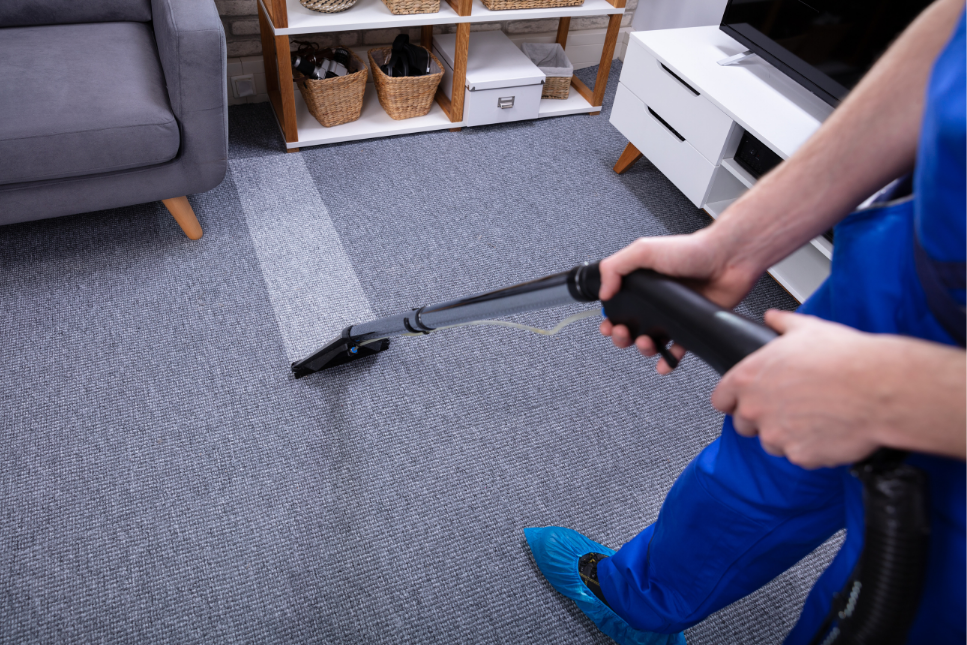
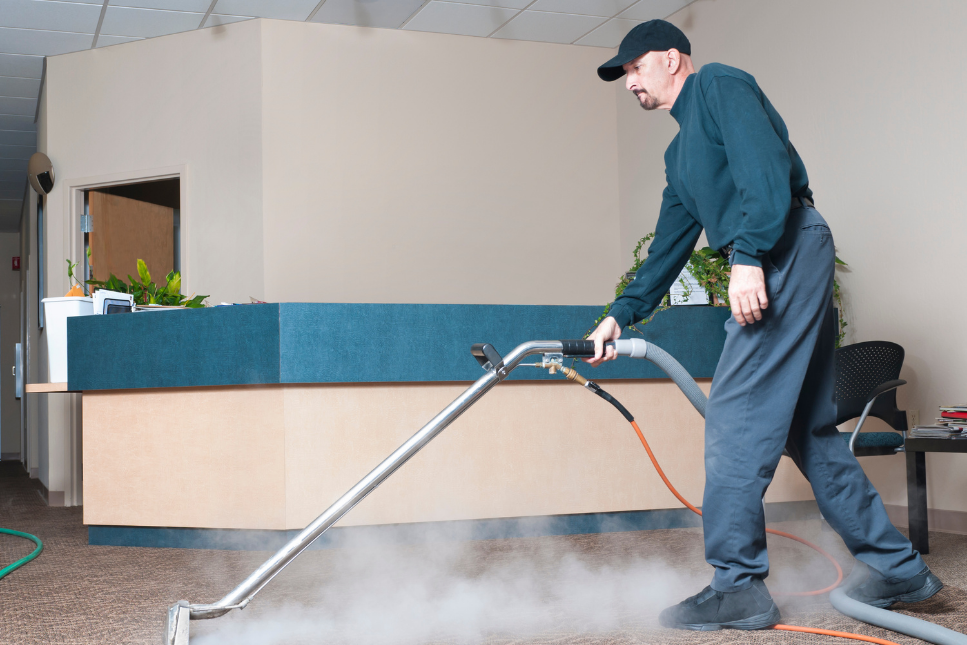
Hot water extraction, done right, digs deep. You pre-vacuum thoroughly with a HEPA unit, apply an appropriate pre-spray, agitate with a CRB or soft brush, extract with 180 to 220 degree water at controlled pressure, and add a soft-acid rinse to neutralize pH. This method is ideal for nylon, many polyesters, and heavily soiled traffic lanes. The skill is in water management. Too much pressure delaminates backing or drives soil deeper. Too little heat or dwell time leaves oils behind. In Houston’s humidity, target two to four hours dry time with air movers, ceiling fans, and the AC running. Anything longer and you risk musty odor or wicking.
Low-moisture cleaning has a place, especially for maintenance, condos with limited water access, or offices that must reopen quickly. Encapsulation chemistry wraps loosened soil in polymers so it vacuums out after drying. It won’t pull out dense mud at the base, but it keeps loop pile or commercial glue-down looking sharp week to week. Used between deeper extractions, it extends carpet life while keeping costs predictable.
Specialty spotting is its own craft. Rust, coffee, wine, and pet urine each require different approaches. Rust lifts with reducing agents, coffee often needs a tannin remover, red dyes may need heat transfer with a sodium bisulfite reducer, and urine needs more than fragrance. If a tech masks odor without neutralizing uric salts, humidity will wake the smell right back up. A proper urine treatment might include UV inspection, injection into the padding, and an oxidizing deodorizer with sufficient dwell time, followed by controlled flushing. Good carpet cleaners Houston homeowners call back understand when to recommend pad replacement for severe cases rather than layering chemicals.
The chemistry behind clean
Most customers never Houston residential carpet cleaning offers see the pH readings or SDS sheets, but they feel the results. A thoughtful carpet cleaning service Houston residents can rely on will match chemistry to fiber and soil.
Alkaline pre-sprays break down protein-based soils and oils. They work fast on food spills and body oils but can set stains on natural fibers if used carelessly. For wool or advanced synthetics, a milder, wool-safe formulation avoids color shift or texture change. Agitation does as much work as chemicals; a light CRB pass often halves the amount of pre-spray needed.
Rinsing matters more than many know. Leaving a carpet at a high pH invites sticky residue and rapid resoiling. A slightly acidic rinse, properly metered, returns fibers to a neutral range so they feel soft rather than crunchy. On wool, neutral or mildly acidic chemistry protects scales on the fiber surface, preserving luster.
Deodorizers should be the last step, not the hero. If the source of odor remains, fragrance fades, and the smell returns. Enzyme-based treatments digest the source when given time, heat, and moisture control. Oxidizers break down odor compounds quickly but can lighten dyes if misused. The judgment is in the knowing when to use which, and when to use neither.
What “family-owned” looks like on a job
When I ride along with a family crew, the rhythm is consistent. Arrival five to ten minutes early. A walk-through with the customer, not just a glance. They confirm square footage, identify problem areas, and warn about any risks, like a loose seam at the hallway or a frayed transition strip to tile. Corner guards snap onto walls, furniture gets sliders, and the techs protect wood floors where hoses cross. A quality check after each room looks like a quick backlight sweep to catch streaks or wick lines while the carpet is still damp.
Customers often remember the quiet touches. A toddler asleep gets their room scheduled last to minimize noise. A skid on a baseboard is touched up if they caused it. A loose threshold is re-tacked without an extra line item. That’s not charity, it’s stewardship. When the owner plans to see the customer again, it makes sense to leave work they’re proud of.
Pricing that makes sense
Sticker shock happens when expectations and scope misalign. Transparent pricing avoids it. A solid carpet cleaning company Houston homeowners return to will quote per room with clear square footage caps or per square foot for larger areas. Typical ranges in this market run from roughly 40 to 60 dollars per room for standard cleaning with common size limits, and 0.25 to 0.45 per square foot for whole-home projects, with specialty treatments on top. Pet urine remediation is the wild card because it depends on whether the padding is compromised. An honest firm will test with a UV light and moisture meter before promising miracles or charging premium fees.
Beware of bait rates that leave out basics like pre-spotting, agitation, or a neutralizing rinse. Cheap cleanings often rely on high-alkaline soaps with minimal rinsing, which feel fresh for a week then seem dirtier than before. If a quote is well below market, ask what steps are included and how they manage drying.
The Houston climate and dry times
Humidity turns good cleaning into a mold risk if drying is ignored. During summer, keep the AC set to 72 to 75 degrees during and after the appointment. Cool air holds less moisture and dehumidifies as it cycles, speeding dry times. Ceiling fans help, but avoid blasting heat. Pro crews carry air movers to direct airflow across the surface, not straight down. You want moisture pushed into the air for the HVAC to capture, not driven deeper into the pad.
If a carpet stays damp beyond eight hours in normal conditions, something went wrong: too much water, too little airflow, or poor extraction. Call the company back. A family-run team will return the same day with extra air movers and check for wick-back, which can be re-treated while the carpet is still in the plastic phase of drying.
Pet life, people life, and realistic expectations
Most Houston households with carpet also have pets. You can have clean carpet and a happy dog, but it takes realism. Repeated accidents in the same spot almost always penetrate the pad. Surface-level cleaning lightens the stain and tempers odor, yet warm, humid days may bring a ghost of it back. That’s not a failure of cleaning. It’s chemistry and capillarity. Full remediation requires treating or replacing the pad and sealing the subfloor. A fair-minded cleaner will tell you this before you spend on partial fixes.
For families with toddlers, ask for eco-forward detergents with third-party certifications and be upfront about crawling and playtime habits. Rinsing and ventilation do most of the safety work. On wool rugs, especially hand-knotted pieces, insist on off-site cleaning if the piece is valuable. On-site steam can cause dye migration on certain reds and blues. Rug cleaning is a different craft from wall-to-wall, and a reputable carpet cleaners Houston team will say so.
How often to clean, and what to do between visits
Soil acts like tiny knives, cutting fibers with every step. You don’t see damage until it looks like permanent gray traffic lanes. That’s why maintenance matters more than dramatic deep cleans. A reasonable cadence for residential carpet cleaning Houston homeowners can follow is every 6 to 12 months for busy households with kids or pets, and every 12 to 18 months for lighter use. High-traffic runners may need quarterly low-moisture touch-ups to keep lanes from matting.
Between visits, three habits pay off. Vacuum slowly twice a week with a well-maintained machine, and pass each lane in two directions. Address spills immediately with clean white towels and blotting pressure, not scrubbing. Keep shoes by the door. That one change reduces embedded grit by a shocking amount over a year. If someone insists on shoes inside, consider a washable runner from entry to kitchen to break up the dirt path.
Safety and respect for your home
Professionalism shows in small safety policies. A responsible crew will secure hoses to avoid tripping, place caution signs near stairs, and keep doors as closed as possible to maintain temperature and pet security. They’ll ask about alarm systems and keep your home’s privacy in mind by staging equipment neatly rather than sprawling it across living areas. If they move furniture, they’ll use blocks or tabs under legs to prevent wood stain transfer onto damp carpet. Those tabs should be left in place for 24 to 48 hours, and they should explain why.
Chemical storage matters as well. Look for labeled containers and closed sprayers. Ask about ventilation and whether they carry a CO monitor if they run 24/7 carpet cleaners Houston gas-powered equipment in a garage. Portable extractors are a fine choice for high-rises and tight access homes; truckmounts excel at heat and recovery. What matters most is that the operator respects the limits of their setup and the layout of your property.
Common mistakes to avoid when hiring
Here are five quick red flags that save headaches.
- Vague descriptions of process, or unwillingness to name the cleaning method.
- Quotes that omit pre-vacuuming, agitation, or neutralizing rinse.
- No mention of dry times or airflow management.
- Guaranteed pet odor removal without inspection.
- Reluctance to spot test on sensitive fibers or bright dyes.
If you hear two or more of those in the first conversation, keep looking. There are enough skilled carpet cleaners in this city that you don’t need to gamble.
Realistic before-and-after scenarios
The most satisfying turnarounds I’ve seen look ordinary on social media because they respect the fiber. A midtown townhome with nylon plush, five years old, heavy traffic from garage to kitchen. The homeowner expected replacement. After thorough vacuuming, targeted solvent booster on the kitchen threshold, and 12 minutes of dwell, we agitated and extracted with a mild acidic rinse. Lane gray lifted by about 80 percent, not to showroom, but to honest comfort. With two air movers running and the thermostat at 72, we hit dry in three hours. That carpet has another two years in it, maybe three with quarterly maintenance.
Contrast that with a three-year-old polyester in a rental near the Energy Corridor, saturated with body oils and cooking fumes. Polyester resists water-based stains but clings to oils like a magnet. We needed a stronger solvent pre-spray, foam control to keep the recovery tank stable, and slower, overlapping wand strokes to pull residues. The result looked fresh, but you could still see sheen differences at the sofa edge where pile had crushed. Cleaning cannot fix crushed or abraded fiber. Only rest and grooming can soften the look, and even then, there are limits. A good company sets that expectation before you sign.
What happens after we pack up
Follow-up separates decent from great. A family-run carpet cleaning company Houston customers stay loyal to will check in by text or call within a day or two. They want to know if any spots returned, if rooms dried evenly, and if the deodorizer played nicely with sensitive noses. If a stain reappears because of wicking, they schedule a quick complimentary touch-up. This kind of warranty isn’t a gimmick. It’s an efficient way to protect reputation and fix the rare issues that only reveal themselves as fibers settle.
They’ll also leave practical suggestions tailored to your home. If we noticed high dust load in returns, we’ll suggest a filter change schedule and a vacuum upgrade. If a dog loves one corner, we’ll recommend a washable mat there and a neutral enzyme spray for accidents. If humidity was a problem, we’ll propose running the HVAC fan on auto rather than on, and possibly adding a small dehumidifier in problem rooms.
Beyond carpet: rugs, upholstery, and tile
Homes rarely have only one surface to care for. The best carpet cleaning service Houston families lean on will have a sensible scope. They can handle synthetic area rugs on-site but advise off-site immersion for wool and silk. They clean upholstery with fabric-specific tools, testing for bleeding and shrinkage before committing to a full pass. They may also offer tile and grout cleaning, especially for open-plan kitchens where the boundary between carpet and tile is a soil trap. The advantage isn’t just convenience. It’s consistency in chemistry and process across adjacent materials, which reduces cross-contamination and keeps your home feeling uniformly fresh.
Environmental choices without the hype
Green is a slippery word in cleaning. What matters is residue, indoor air quality, and water use. Many family-owned teams choose low-VOC products and carry wool-safe options. They meter chemicals carefully to avoid over-application, and they rinse thoroughly. Water conservation shows up not only in gallons used, but in effective recovery and rapid drying. If environmental impact is a priority for you, ask for product names and safety data, and how they minimize waste. A straight answer is a good sign.
When replacement beats cleaning
There’s a line where cleaning can’t win. If you can see backing through matted traffic lanes, if seams are failing from pet scratching, if padding smells musty after a past flood, or if delamination lets the top layer bubble when you press, you’re throwing good money after bad. A reputable carpet cleaning company Houston homeowners can trust will tell you so. I’ve seen pros talk themselves out of a thousand-dollar job because the right advice was to put that money toward new carpet and pad. Those conversations feel tough in the moment, but customers remember the honesty and call back for the next home, the next rug, the next referral.
Simple preparation that helps your crew help you
You don’t have to stage the house like a model home. Still, a little prep goes a long way.
- Pick up small items and breakables from floors and low shelves, and clear clutter from stairs.
- Vacuum if you can, especially for homes with heavy pet hair, even though pros often pre-vacuum too.
- Reserve parking close to the entry for the van or portable load-in.
- Note fragile baseboards, loose transitions, or any past water spots on drywall.
- Make a plan for pets so doors can open and close without escapes.
Those five steps improve speed, safety, and results, and they let the crew focus on the work that matters most.
Choosing the right partner
If you’re searching for carpet cleaners Houston neighbors recommend, listen for experience without bravado. Ask how they’d approach your specific fibers and stains, not just what equipment they own. Look for a satisfaction policy that includes re-cleaning problem spots, not blanket guarantees nobody can keep. Read reviews with an eye for recurring details: punctuality, clear communication, fair adjustments when surprises pop up. If they treat the first phone call as the start of a relationship rather than a transaction, you’re on the right track.
Family-owned and operated doesn’t automatically mean better, but in this trade, it often aligns with the qualities that make cleaning last: methodical process, careful chemistry, respect for homes, and a willingness to own the outcome. Houston is a city of hands-on builders and fixers. The best carpet cleaning company Houston can offer fits right into that fabric, keeping your floors clean enough for bare feet, playtime, and whatever tomorrow drags in from the yard.
Green Rug Care, Rug Cleaning Houston
Address: 5710 Brittmoore Rd, Houston, TX 77041
Phone: (832) 856-9312
Green Rug Care
Green Rug Care is a leading area rug cleaning company with over 35 years of experience, offering professional rug cleaning, repair, and pet odor removal using eco-friendly, non-toxic products. Free pickup and delivery available.
Houston, TX 77041
US
Business Hours
- Monday: 8:00 AM – 8:00 PM
- Tuesday: 8:00 AM – 8:00 PM
- Wednesday: 8:00 AM – 8:00 PM
- Thursday: 8:00 AM – 8:00 PM
- Friday: 8:00 AM – 8:00 PM
- Saturday: 8:00 AM – 8:00 PM
- Sunday: 8:00 AM – 8:00 PM