
Carpet Cleaning Service Houston: Pet Treatment Packages
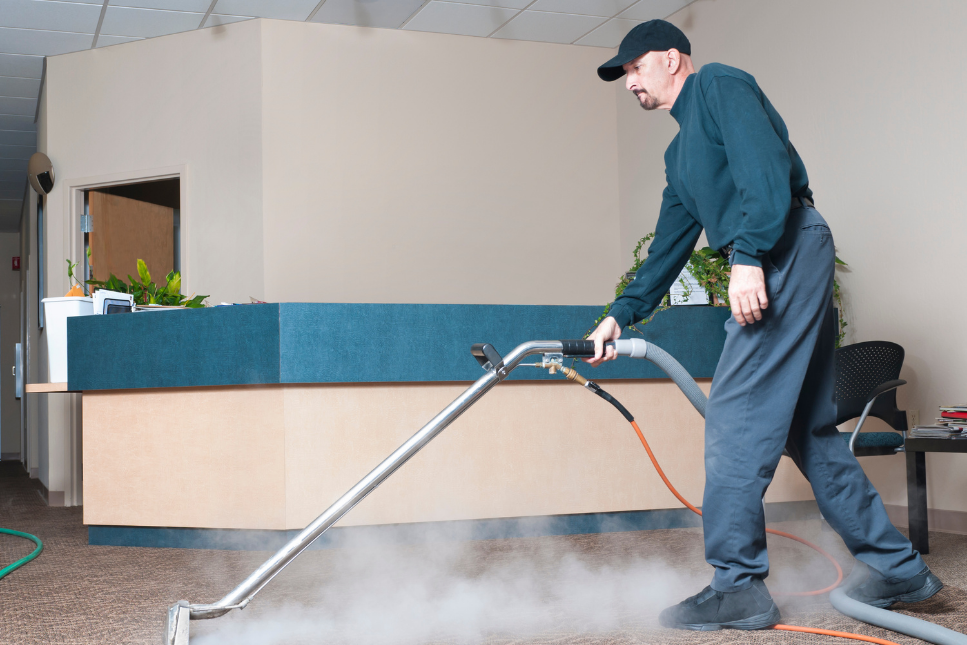
Homes in Houston tend to be lived in hard. Between Gulf Coast humidity, pollen drifting in from the pines, and the everyday bustle of kids and pets, carpets take a beating. If you share your home with a dog that thinks the den is a track or a cat with a talent for selecting the one rug you love most, you already know the challenge. The right carpet cleaning service Houston residents rely on needs more than a standard rinse and vacuum. It needs a thoughtful approach to pet issues, from stains and odors to allergens, bacteria, and lingering pheromones that trigger repeat accidents.
Pet treatment packages exist because traditional cleaning misses what matters most with animal messes. The surface may look fine, but urine migrates. It wicks into backing, padding, and sometimes subfloor, especially in older townhomes and slab homes where the pad acts like a sponge. Sometimes odor blooms again as soon as humidity spikes or the HVAC cycles. Effective pet care involves chemistry, technique, and judgment calls that only seasoned carpet cleaners in Houston tend to get right.
Why pet-specific cleaning is different
Pet urine behaves like a dye that keeps migrating until it meets resistance. First, there is the acid stage, when the urine is fresh and easier to neutralize. Within hours to days, as bacteria digest urea, the pH swings strongly alkaline, odors intensify, and salts form crystals that trap and release odor with humidity. Household spotters often make this worse. Many consumer products mask smells without breaking down the salts, and some set stains by altering pH at the wrong moment.
Professional carpet cleaners approach urine in layers. They locate the contamination professional carpet cleaners options accurately, neutralize the chemical load, break down organic residues, and extract thoroughly so the problem does not wick back. In homes with pets, success depends on matching the method to the severity and location of the contamination, plus choosing chemistry that is safe for animals and fabrics. That balance is the core of a good pet treatment package from a reputable carpet cleaning company Houston families trust.
A quick map of Houston homes and pet wear
Climate matters. Houston humidity ranges widely, but when it climbs, latent odors reappear. Summertime air conditioning pulls moisture out of the air, but carpets still absorb and release humidity through the day. Odor crystals absorb moisture like a battery charges, then off-gas into the room. That is why odor seems to come and go with weather. Another local factor is foundation type. Many Houston houses sit on concrete slab. Urine can soak into pad and find pathways into tack strip and even hairline cracks along the slab edge. If you live in a pier-and-beam bungalow in the Heights, airflow under the floor can keep things drier, but liquids can leak through seams quicker. The point is simple: the structure under your carpet influences how deep a pet accident travels.
Traffic patterns tell stories, too. In residential carpet cleaning Houston techs observe that pets gravitate to the first few feet inside exterior doors, the ends of sofas, and the edges near windows or sliding doors where UV can fade fibers and heat up spots. Dogs love to nap on the cool low-pile rug by the entry and track in lawn chemicals after a sprinkler cycle. Cats may choose the quiet corner of a bedroom, so you rarely catch the accident in real time. Knowing where to look saves time and money.
What a solid pet treatment package should include
A basic cleaning is not a pet package, and vice versa. Look for a layered service focused on detection, chemistry, and deep extraction. Credible carpet cleaners Houston homeowners call again tend to include several core elements in their pet plans.
Inspection starts with conversation. Technicians want history: where the pet sleeps, where problems recur, any product used recently. Then comes detection. UV lights can fluoresce areas with uric acid residues, though optical brighteners in detergents and some fibers can also glow, so trained eyes matter. Moisture meters find damp spots in pad along seams and edges. Some teams use salts probes or specific odor meters. The goal is to map the problem, not guess.
Neutralization follows. For fresh urine, an acid-side neutralizer arrests the alkaline shift and prevents setting. For older deposits, oxidizers or enzyme blends work on uric acid and proteins, and reducers help with color issues tied to dyes. Each tool carries caveats. Enzymes require dwell time and moisture, oxidizers can lighten certain fibers, reducers can dull bright reds or blues if misused. A careful carpet cleaning service Houston residents recommend will test in a corner and adjust.
Extraction must match the depth. Standard hot water extraction, sometimes called steam cleaning, treats the face fibers and a bit of the backing. It rarely reaches the pad enough to remove heavy urine loads. Sub-surface extraction, often done with a weighted tool that seals and draws solution up from the pad, is essential for rooms with severe contamination. If the pad is saturated across multiple spots that connect along the edge, targeted pad flushes can salvage carpet without replacement, but once tack strip corrodes or odor reaches the subfloor, partial replacement becomes the smart spend.
Odor control rounds out the package. In real life, odors have multiple sources: the urine itself, bacteria, and leftover cleaning residues. Good pet-specific rinses leave minimal residue so carpets do not re-soil quickly. Deodorizers that actually bind or neutralize odor molecules work better than perfumes. Post-cleaning protectants keep future accidents from migrating as deeply, buying you time to blot and treat before things set again.
Levels of service, matched to real scenarios
No two pet situations look the same. A healthy senior lab with occasional dribbles in one room calls for different tactics than a new puppy that marked the dining room and guest room for a month while training. Most carpet cleaners Houston homeowners hire structure pet packages into levels. Titles vary, but the logic stays consistent.
Light accident care suits homes with occasional, fresh spots. Techs locate and treat two to four areas, apply targeted neutralizer and enzyme, then perform hot water extraction with a balanced rinse. Dry times are quick, often four to six hours with good airflow. This level makes sense for routine maintenance when the pet is otherwise consistent with outdoor habits.
Moderate odor remediation targets rooms with a history of repeat accidents or several old spots that bloom with humidity. It adds sub-surface extraction at the spot level. After mapping, the tech saturates the contaminated area with a solution designed to dissolve urine salts and organic matter, allows dwell time, then extracts through a sealed tool. Expect slightly longer dry times and visible improvement in both color and odor. If you can point to a few corners where it always happens, this level is usually right.
Severe contamination protocols apply when an entire room smells or a black light reveals broad coverage. This often includes a pad flush across multiple zones, sometimes with a post-rinse acid bath to stabilize pH, plus a second extraction pass using high heat. If the carpet fibers are intact and the backing is sound, this can save replacement costs. When techs discover rot at tack strips or delamination, they will advise replacing pad in sections. A reputable carpet cleaning company Houston residents trust will give you a line-item estimate for carpet-lift and pad replacement rather than pushing full carpet replacement.
Allergy-focused pet care adds an extra layer for homes where dander, saliva proteins, and tracked-in allergens cause reactions. HEPA pre-vacuuming, anti-allergen treatments that denature proteins, and longer hot water extraction passes improve air quality. For asthmatics or families with infants, this layer matters as much as odor control.
Chemistry, safety, and the question of green
Pet owners rightly worry about residues. A living room carpet doubles as a play space for toddlers and belly rubs for dogs. The safer detergents used by top carpet cleaners in Houston today are biodegradable and designed to rinse clear. Enzymatic treatments target specific organic components and should be extracted thoroughly so they do not keep working on adhesives or natural fibers nearby. Oxidizers can be safe and effective when diluted correctly and neutralized after use. Over-the-counter peroxide sprays often come too strong and can bleach nylon or wool. In professional hands, controlled oxidation lifts odor-causing compounds without etching fiber.
Green labels deserve scrutiny. Many products labeled green focus on environmental impact more than performance on pet urine. That is fine for general soil, less so for bio-loads with odor salts. Look for companies who explain which products they use for each step and why. Ask if they carry a wool-safe certification when you have wool rugs. For synthetic wall-to-wall in typical Houston homes, pH-balanced detergents and controlled oxidizers or enzymes do the heavy lifting. Airing out during and after service helps, so plan for open windows, fans, and HVAC circulation if weather allows.
The value of detection tools
One of the most common homeowner questions is whether black lights really work. They do, with caveats. Uric acid fluoresces under UV, but so do optical brighteners and some cleaning residues. Experienced technicians read patterns. A scattered constellation near a litter box means cat spray. A crescent arc by a chair may be a failed drink spill. Techs pair UV with moisture meters to confirm active deposits versus historical marks that have already been treated. The best carpet cleaning service Houston pet owners recommend will show you what they see so you can make informed choices about spot-level flushes versus whole-room solutions.
Dogs can form habits based on scent maps invisible to us. If a single spot remains faintly odorous, it acts like a beacon. That is why thoroughness beats frequency. Better to do a proper sub-surface treatment once than five light cleanings that leave the signal behind.
When replacement beats repair
There are times when pulled pad and sealed subfloor is the economically rational choice. When urine reaches tack strips across the room perimeter, the wood swells, nails rust, and odors persist. In slab homes, salt deposits along the edge can rehydrate and push smells back into the room even after surface cleaning. If an entire bedroom was used as a kennel space for weeks, expect to budget for pad replacement and an odor sealer on the slab. Many carpet cleaners Houston residents call for severe pet jobs partner with installers who can replace pad in sections, re-stretch the carpet, and reinstall tack safely. This targeted approach costs far less than new carpet and produces a true reset.
A technician with experience will try to save good carpet if the face fibers are sound and backing is intact. Polyester resists dye set but can hold oily soils. Nylon is forgiving and responds well to heat and rinsing. Olefin, common on tighter-budget installations, resists staining but can crush. Fiber type guides both chemistry and the decision to restore or replace.
Pricing and what you actually pay for
Clear pricing builds trust. Pet packages often carry an add-on fee per affected area on top of a base cleaning rate per room or square foot. For light spot care, homeowners might see a small per-spot charge. Sub-surface extraction usually costs more because it adds time, solution volume, and tool wear. Whole-room odor treatments that include pad flushes and multiple passes price higher, but cost less than removing and replacing carpet or living with a persistent odor.
Beware of teaser rates that promise full odor removal for the price of a basic clean. Odor guarantees should be specific. No one can promise a permanent fix if the contamination has reached the subfloor and you decline pad replacement. A good carpet cleaning company Houston homeowners trust will outline contingencies. For example, they might guarantee that any treated spots will not return under normal humidity for 30 days, with a free touch-up if they do. This kind of conditional guarantee sets realistic expectations and aligns incentives.
Maintenance between professional visits
Pet-friendly homes benefit from habits that make professional work more effective, spaced at sensible intervals.
- Blot accidents immediately with white towels, applying firm pressure, then treat with a mild, pH-balanced pet spotter. Avoid scrubbing and avoid products with high peroxide or heavy perfumes.
- Keep a small wet-dry vacuum on hand for spot flushes. Even a minute of extracting warm water at the site can prevent wicking.
- Vacuum slowly, two to three passes per lane, at least twice a week in pet zones. A quality vacuum with a brush roll and HEPA filtration lifts dander, hair, and dry soils that cause abrasion.
- Rotate area rugs every few months, and use breathable rug pads on wood or tile. Pet traffic creates paths; rotation shares the wear.
- Change HVAC filters regularly and consider running a dehumidifier in the most-used rooms during peak humidity weeks. Lower ambient moisture means fewer odor blooms.
These small steps stretch the life of your carpets while keeping the home fresher. They also give your technician a cleaner canvas when it is time for a deeper visit.
What separates experienced carpet cleaners from the rest
Experience shows in the questions a technician asks and the gear they bring. A team that cleans rental move-outs all day may handle soil well but fumble pet biology. Listen for the words pad flush, pH balance, sub-surface extraction, and dwell time. Watch for measured mixing and labeled bottles, not mystery spritzers. Ask how they handle wool versus nylon. Professional carpet cleaners Houston pet owners return to tend to carry edge tools for tackling urine along baseboards, UV lights with proper wavelength, moisture meters, and weighted extractors designed for deep pulls.
Scheduling also matters. Good companies build in time for dwell and extraction rather than stacking five heavy pet jobs back to back. They may suggest an early morning appointment so carpets can dry by evening. They will ask you to keep pets off treated areas until dry and may leave air movers if humidity is high.
The Houston factor: scheduling around storms and seasons
Anyone who has lived here through a wet spring knows that weather can rewrite plans. Heavy rain pushes humidity into the 90s and slows dry times. If you are booking a severe pet treatment with multiple pad flushes, try to schedule when the forecast is dry, so you can open windows and move air. After large storms, carpet cleaners are running hard on flood calls and emergency water extraction. For routine residential carpet cleaning Houston homeowners often plan off-peak, such as weekday mornings, to secure longer time slots and attentive service.
During oak and pine pollen spikes, carpets collect yellow dust at entryways and near sliding doors. Pets carry it inside on their coats. This adds to sneezing and makes odors worse when combined with moisture. A quick interim clean in late spring and early fall helps keep the load manageable, even if your main deep clean is on a different schedule.
A pet owner’s story from inside the loop
A couple in Montrose called after their senior beagle began having nighttime accidents, mostly in the primary bedroom. They tried two off-the-shelf sprays, which gave a day of relief before the smell came back. By the time we arrived, the odor was strong along the window wall. Under UV, we saw arcs across three areas and a dense cluster near the door. Moisture readings were low, so these were older spots reactivating with humidity. We did a sub-surface pad flush in three zones with an acid neutralizer and enzyme blend, followed by weighted extraction. The tack strip near the window showed early corrosion. We pulled 6 linear feet of carpet, replaced a strip of pad, sealed the slab edge with an odor barrier, and reinstalled the carpet, which stretched back cleanly. The room dried in about eight hours with two air movers and the ceiling fan. The beagle wore a nighttime belly band while the couple worked with their vet. Three months later, the odor had not returned.
The lesson is not that every Houston carpet cleaning offers room needs pad pulled, but that tailored work beats cookie-cutter cleaning. The combination of detection, targeted chemistry, and structural fixes where needed delivered a result that stuck.
How to choose a carpet cleaning service Houston pet owners can count on
You have plenty of choices across the city, from solo operators to multi-van teams. The right fit depends on the severity of your pet issues and how much support you want afterward. Start by confirming that pet treatment packages are a core offering, not an occasional add-on. Ask for a step-by-step of their process for light, moderate, and severe cases. Request clarity on pricing for sub-surface extraction, pad replacement if needed, and post-cleaning protectants. Check whether they offer a conditional odor guarantee and what it covers.
Look for proof of training, whether IICRC certifications or documented internal programs. Years in business help, but so does ongoing education. Read reviews that mention pets specifically. Note how the company responds when things do not go perfectly. If they offer residential carpet cleaning Houston wide, confirm they service your neighborhood and can plan around parking and access. Inside the loop, tight streets and limited parking require logistics that larger vans need to plan for.
Finally, trust your nose and your gut. The best companies do not oversell. They acknowledge that some jobs require more than chemistry, and they can articulate why. They leave you with clear aftercare instructions and realistic expectations about how pets behave after the scent map resets.
Final thoughts for homes with pets and carpets
Carpet and animals can live together happily in Houston. It takes smart cleaning, occasional deep interventions, and a bit of daily care. The main difference between success and frustration is often how quickly and completely urine crystals and bacteria are neutralized and removed. With the right carpet cleaning service Houston homeowners get more than a clean look. They get breathable rooms, durable fibers, and fewer repeat accidents.
If you are interviewing carpet cleaners Houston has in abundance, listen for the details that signal competence. Ask about detection tools and deep extraction. Ask for a plan tailored to your rooms, your fiber types, and your pet’s history. Match the service level to what you are seeing and smelling, and do not hesitate to invest in sub-surface work in the rooms that matter most. It costs less than replacing carpet and pays off every time the humidity climbs and your home still smells like home.
Green Rug Care, Rug Cleaning Houston
Address: 5710 Brittmoore Rd, Houston, TX 77041
Phone: (832) 856-9312
Green Rug Care
Green Rug Care is a leading area rug cleaning company with over 35 years of experience, offering professional rug cleaning, repair, and pet odor removal using eco-friendly, non-toxic products. Free pickup and delivery available.
Houston, TX 77041
US
Business Hours
- Monday: 8:00 AM – 8:00 PM
- Tuesday: 8:00 AM – 8:00 PM
- Wednesday: 8:00 AM – 8:00 PM
- Thursday: 8:00 AM – 8:00 PM
- Friday: 8:00 AM – 8:00 PM
- Saturday: 8:00 AM – 8:00 PM
- Sunday: 8:00 AM – 8:00 PM